Are Enduro Bikes Good for Hill Climbing?
Why electric enduro bikes are genuinely well suited to steep, technical climbs — torque, traction and weight explained.
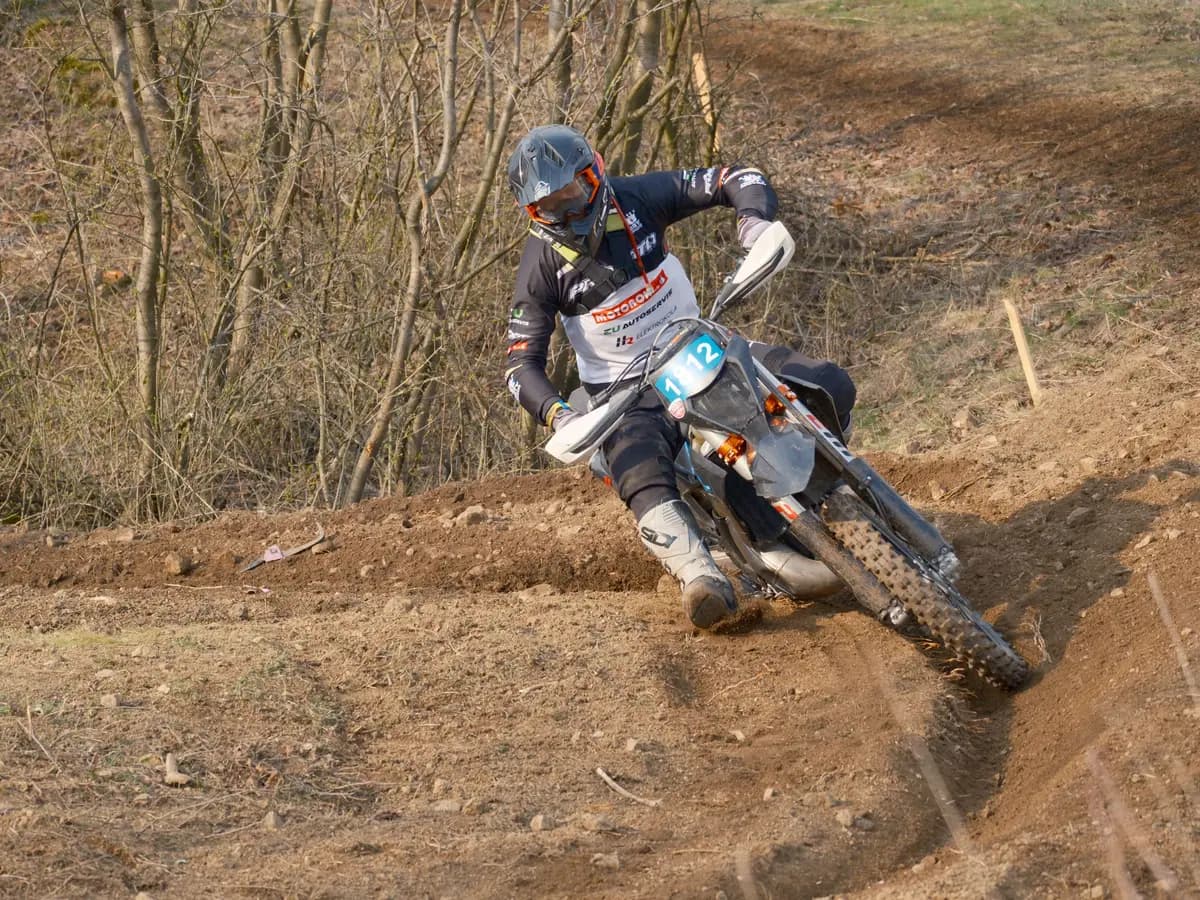
Electric enduro bikes are genuinely well suited to hill climbing — arguably better than petrol equivalents for technical, low-speed ascents. The reasons come down to how an electric drivetrain delivers power and how these bikes are set up.
Instant Torque Without Stalling
A petrol dirt bike makes its torque higher in the rev range, so a steep, slow, technical climb means constant clutch feathering to avoid stalling. An electric enduro bike delivers full torque from zero rpm with no clutch and no stall point — you can crawl up a rocky pinch at walking pace with total throttle control, then power over the crest without a gear change. This is where electric drivetrains genuinely shine.
Traction and Throttle Control
Smooth, predictable power delivery makes it easier to keep the rear tyre hooked up on a loose or slippery climb. Many electric enduro bikes also have selectable power modes — a softer map gives you fine control on a technical ascent, a stronger map gives you the punch for a fast, run-up-style hill. Our Trail & Mid-Weight Enduro range includes models with this feature.
Weight
Electric enduro bikes are typically lighter than comparable petrol machines, which helps on a climb where you're managing the bike's momentum and picking a line at low speed. Check individual spec sheets for exact weights.
The Range Consideration
Sustained hill climbing is demanding on the battery — lots of high-torque, low-speed work draws more energy than cruising. If your riding involves serious elevation, factor that into range expectations, and consider a high-capacity battery for longer days in the hills.
The Verdict
For technical, low-speed climbing, an electric enduro bike's instant torque and clutchless control are a real advantage. See What Is an Enduro Motorbike? and Enduro vs Motocross for more on the format.
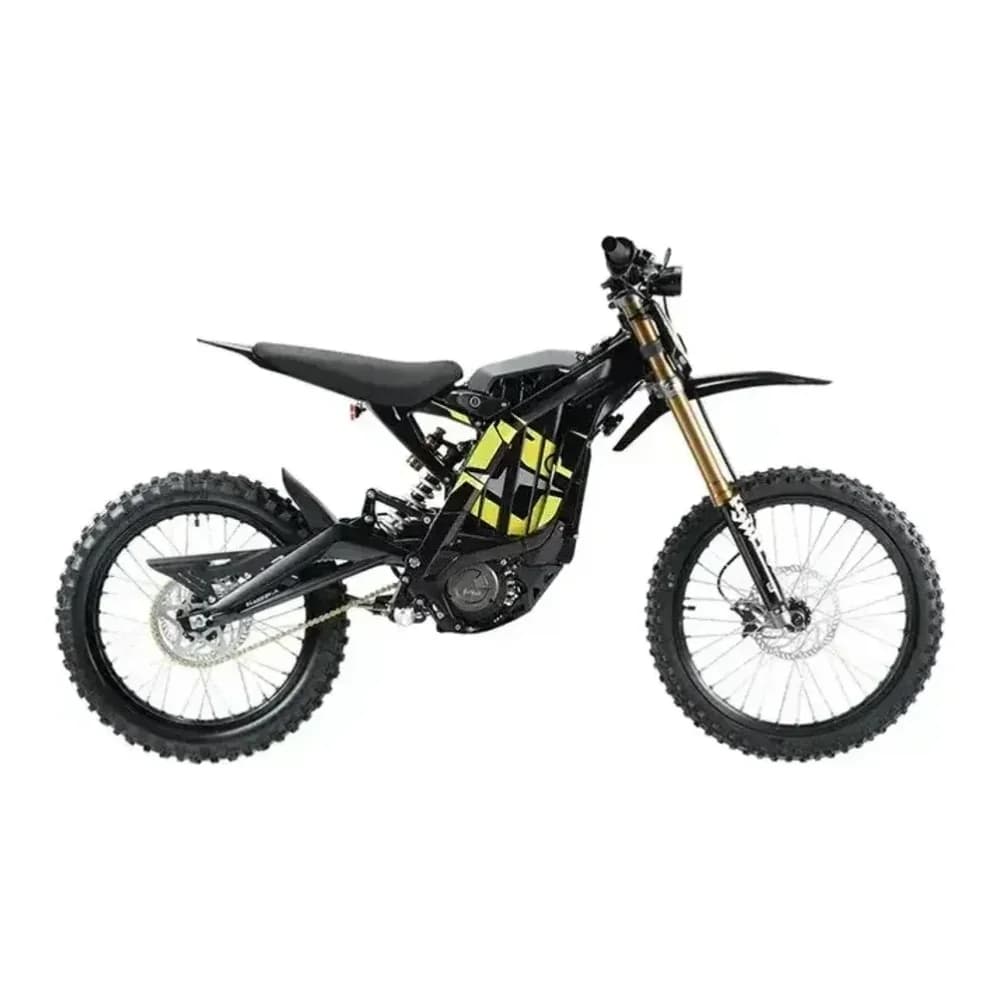
Surron Light Bee X (LBX)
The world-famous agile electric trail bike featuring 6kW peak power, 60V 40Ah battery, and forged aluminium alloy frame.
Common Questions
Yes — arguably better than petrol for technical, low-speed climbs. Full torque from zero rpm with no clutch means no stall point, so you can crawl up a rocky pinch with total throttle control.
Yes — sustained high-torque, low-speed climbing draws more energy than cruising, so expect shorter range on rides with significant elevation. A high-capacity battery upgrade helps for long days in the hills.
Many do — a softer power map gives fine throttle control for technical ascents, while a stronger map provides the punch for a fast run-up. Check each model's spec sheet for selectable modes.