36V vs 48V vs 60V vs 72V: Electric Dirt Bike Voltage Explained
What battery voltage actually controls, why bigger isn't automatically better, and how to match a voltage class to your riding.
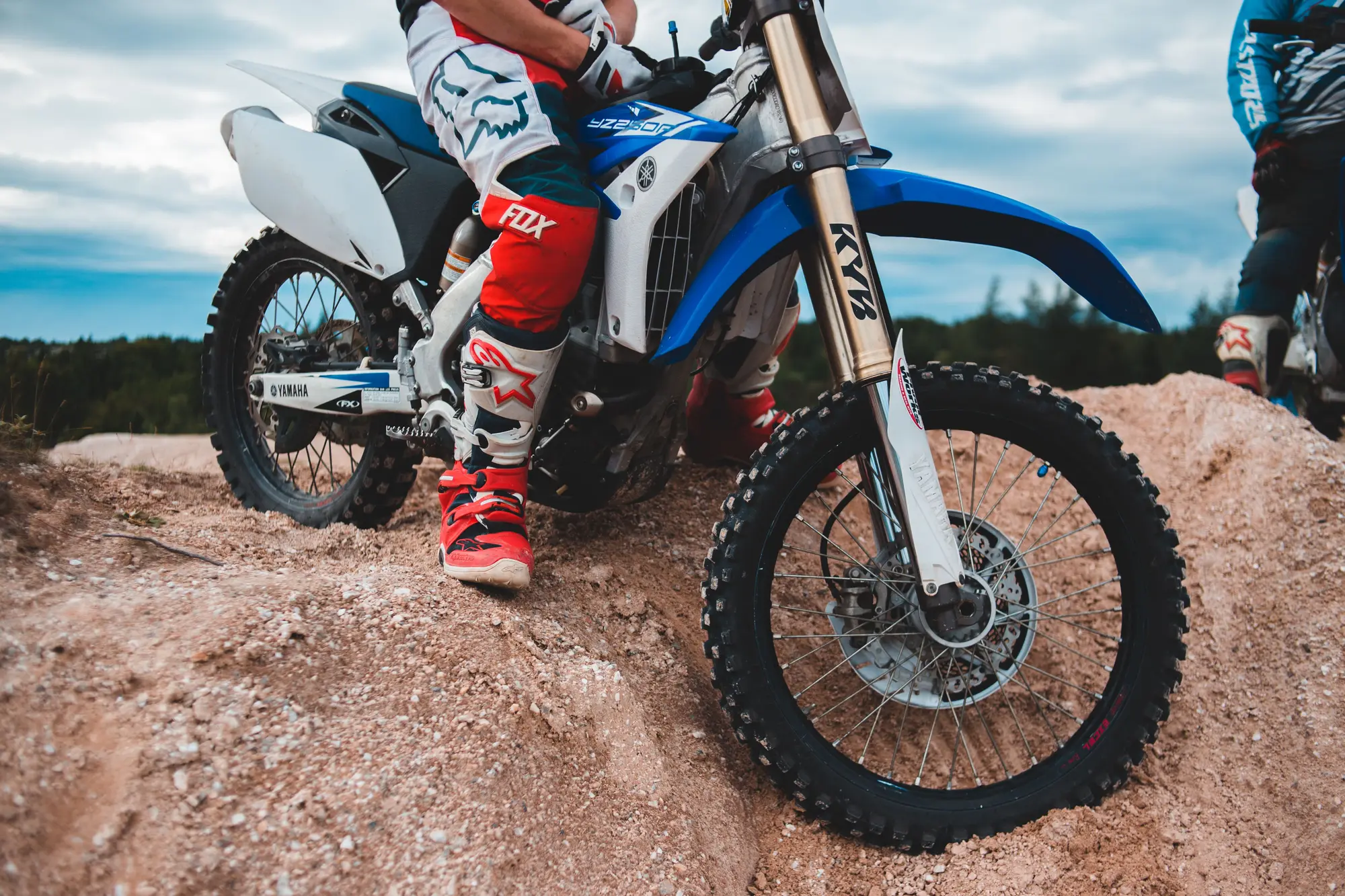
Think of battery voltage like water pressure in a hose: it's the potential pushing current through the motor. A higher-voltage system can deliver more power for the same current draw, which is why voltage class tracks closely with how much performance a bike is built to produce — from a 24V balance bike to a 96V full-size motocross flagship.
24V–36V: Balance & Entry-Level Bikes
Balance and mini bikes for young riders run the lowest voltage class in our range, paired with governed top speeds and lightweight frames — enough power to teach throttle control and balance without being intimidating. See Balance & Mini Bikes.
48V–60V: Trail & Mid-Weight Machines
Trail and mid-weight enduro bikes step up to 48V-60V architecture, delivering enough torque for singletrack climbs and technical terrain while keeping weight manageable for all-day riding. See Trail & Mid-Weight Enduro.
72V and Beyond: Full-Size Motocross & Performance
Full-size motocross and flagship performance models push into 72V-96V territory, where peak power outputs climb into the 15-25kW+ range — genuinely competitive with 250cc-450cc petrol four-strokes. See Full-Size Motocross.
Voltage vs Amp-Hours: Power vs Range
Voltage and amp-hours (Ah) answer two different questions. Voltage is roughly "how powerful," while amp-hours (multiplied by voltage, giving watt-hours) is "how far." Two bikes at the same voltage can have very different ranges depending on battery capacity — always check both numbers, not just voltage, when comparing models. Our battery guide covers this in more depth.
Does Higher Voltage Mean Faster Charging?
Not directly — charge time depends on the charger's amperage output relative to the battery's capacity, not voltage alone. A high-voltage bike with a high-amperage fast charger (like the ones in our Fast Chargers range) can still recharge quickly; voltage class and charge speed are separate specs.
Matching a Bike to Your Riding Style
If you're buying for a young or beginner rider, lower voltage means gentler power delivery and an easier learning curve. If you're chasing motocross-level performance, you want the higher-voltage, higher-power end of the range. Use our Compare tool to line up voltage, power output and range across models before deciding.
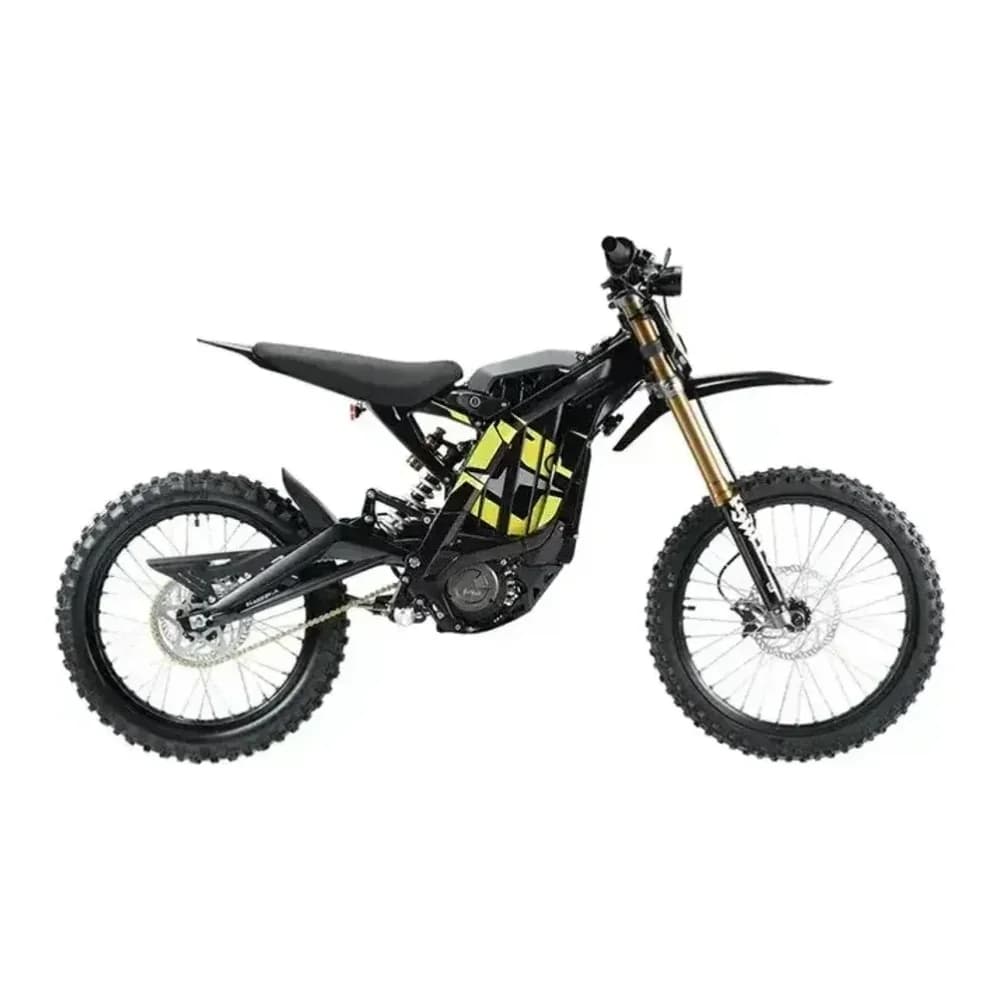
Surron Light Bee X (LBX)
The world-famous agile electric trail bike featuring 6kW peak power, 60V 40Ah battery, and forged aluminium alloy frame.
Common Questions
Generally yes, all else being equal — higher voltage typically supports higher peak power output, which is why full-size motocross models run 72V and above while trail bikes sit around 60V. Peak power and top speed still depend on the specific motor and controller too.
Voltage relates to power output, while amp-hours (battery capacity) relates to range — a bike’s watt-hour rating (voltage × amp-hours) is what actually determines how far it will go on a charge, so compare both figures, not voltage alone.
Not without matching the motor and controller to that voltage — a battery, motor and controller are engineered together, so a mismatched voltage swap risks damaging the drivetrain. Stick to OEM-matched packs from our High-Capacity Batteries range.
For young or first-time riders, a lower voltage class (24V-36V for kids, or a 48V-60V trail bike for adult beginners) delivers gentler, more predictable power delivery while still being genuinely capable off-road.