Motorcycle & E-Bike Battery Guide: Lithium vs Lead-Acid for Dirt Bikes
Why every electric dirt bike runs on lithium, not lead-acid — the real chemistry difference, what voltage actually means, and how to make a pack last.
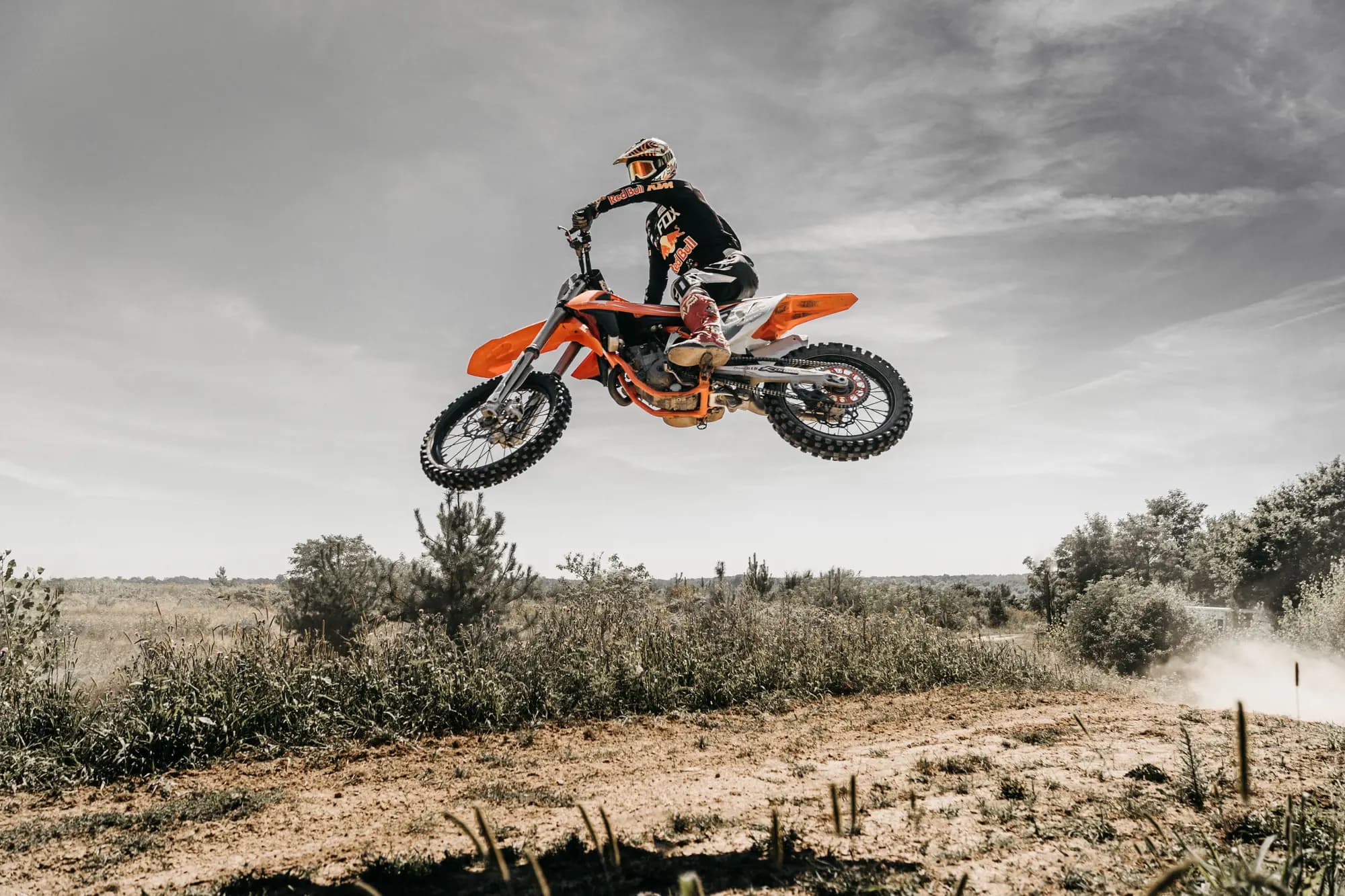
A motorcycle or e-bike battery stores and delivers the electrical energy that powers everything on a modern electric dirt bike — the motor, controller, lights and display. Almost every electric dirt bike sold today, including our full range, runs on a lithium-ion or lithium iron phosphate (LiFePO4) pack rather than the lead-acid battery you'd find starting a petrol bike, because lithium packs more energy into less weight and can be drained and recharged thousands of times without the capacity loss that kills lead-acid cells early.
Lithium vs Lead-Acid: The Real Difference
A lead-acid motorcycle battery is built to deliver a short, sharp burst of current to spin a starter motor, then get topped back up by the engine's alternator while you ride — it was never designed to be a bike's sole, sustained power source. A lithium pack is the opposite: built for deep, repeated discharge cycles, delivering consistent power from full charge down to near-empty without the voltage sag lead-acid suffers under load.
Lithium also wins decisively on weight. A lead-acid battery with enough capacity to power a dirt bike for even 20 minutes would weigh more than most complete electric dirt bikes. Lithium iron phosphate cells, the type most of our range uses, pack roughly three to four times the energy per kilogram — the difference between a bike that carries its power plant invisibly in the frame and one that can't get off the ground.
Why Every Electric Dirt Bike Today Uses Lithium
Beyond weight, lithium batteries hold their charge for months in storage, handle Australian heat far better than lead-acid (which degrades quickly above 35°C), and support fast charging — a depleted pack can return to 80% in well under two hours on a proper charger, versus the 8-plus hours a lead-acid battery needs on a trickle charger. Every battery across our Batteries & Chargers range is lithium for these reasons, and every complete bike we sell ships with a matched pack sized to that model's frame, motor and intended use.
Voltage Explained: 36V, 48V, 60V, 72V
Battery voltage is the other number that matters as much as capacity. Higher voltage generally means more power for the same current draw — it's why junior and balance bikes run 24V-36V packs, mid-weight trail bikes sit around 60V, and full-size motocross machines push 72V and beyond. Full breakdown here: 36V vs 48V vs 60V vs 72V: Electric Dirt Bike Voltage Explained.
How to Extend Your Battery's Lifespan
Lithium batteries are durable, but how you charge and store one still affects how many years of real range you get. See Lithium Battery Care: Charging Habits That Extend Dirt Bike Battery Life for partial-charge habits, heat management and storage voltage.
When to Replace Your Battery
Every lithium pack loses some capacity over its lifespan — that's normal chemistry, not a fault. Knowing when reduced range means a genuine replacement is due (rather than terrain or riding style) is covered in Signs Your Dirt Bike Battery Needs Replacing.
Shop Replacement & Upgrade Batteries
If you're after a genuine OEM replacement pack, a spare for longer riding days, or a high-capacity upgrade for extra range, our High-Capacity Batteries range covers Surron, Talaria, Stark VARG and more — every listing states the exact voltage and amp-hour rating so you can match it to your bike.
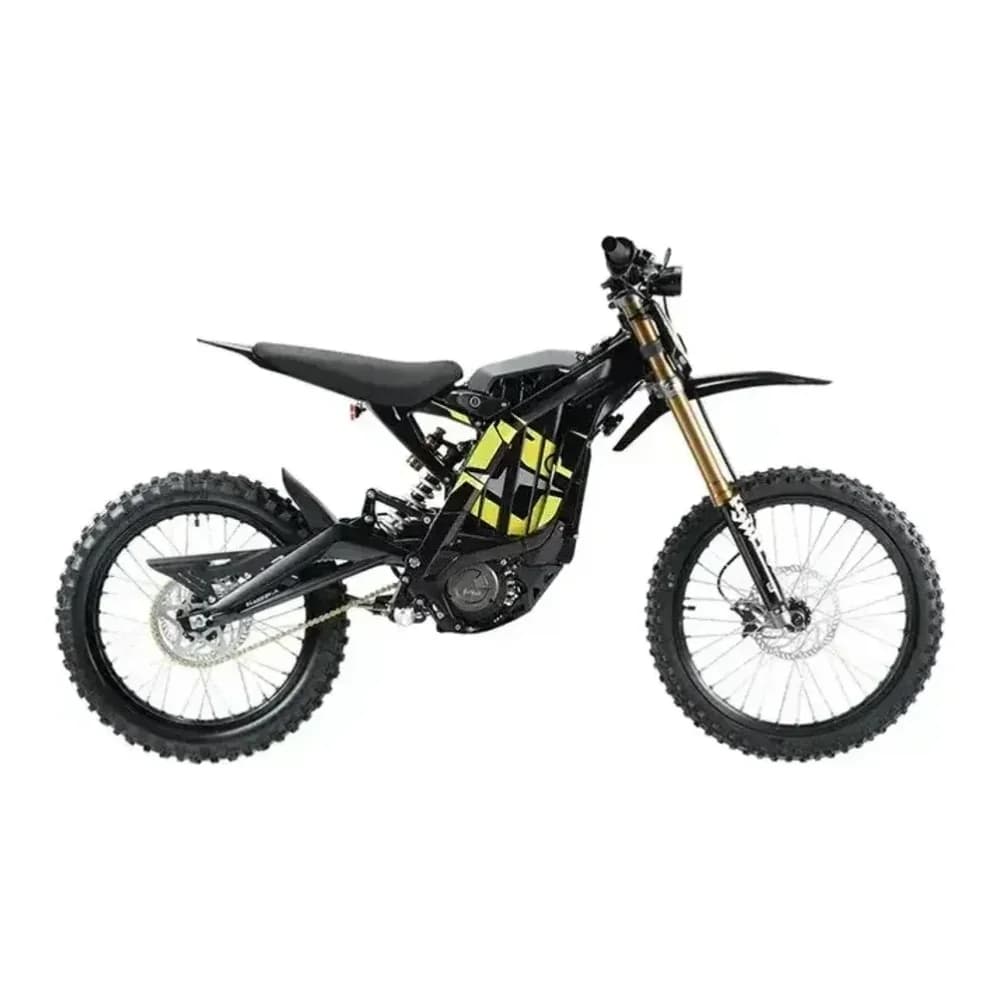
Surron Light Bee X (LBX)
The world-famous agile electric trail bike featuring 6kW peak power, 60V 40Ah battery, and forged aluminium alloy frame.
Common Questions
Lithium batteries are built for deep, repeated discharge and hold far more energy per kilogram, which is why every electric dirt bike uses lithium rather than the lead-acid battery found starting a petrol motorcycle. Lead-acid is designed for a short starter burst, not sustained power delivery.
It depends on the bike’s size and purpose — junior and balance bikes typically run 24V-36V, mid-weight trail bikes around 60V, and full-size motocross machines 72V or higher.
A well-maintained lithium pack typically delivers several years and hundreds of charge cycles before capacity drops enough to warrant replacement — actual lifespan depends on charging habits, heat exposure and how deeply it’s discharged each ride.
Yes, on most models — see our High-Capacity Batteries range for higher-amp-hour packs built to fit specific bikes, adding real-world range without changing the bike itself.