Electric Motocross Bikes: How They Compare to Petrol 250cc/450cc
Power delivery, weight, maintenance and running cost — a genuine look at how electric motocross stacks up against 250cc and 450cc four-strokes.
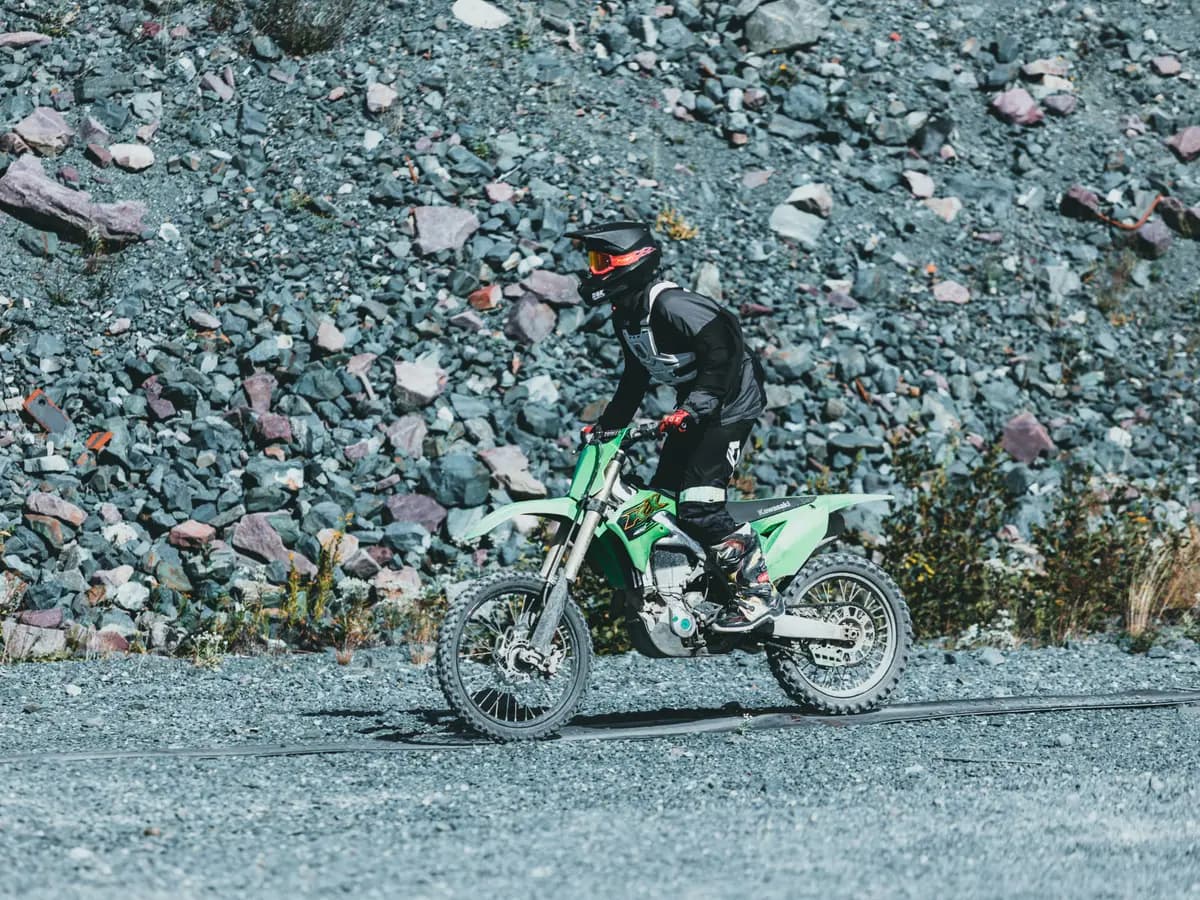
Modern electric motocross bikes genuinely compete with 250cc and 450cc petrol four-strokes on power and performance — the comparison today is less "can electric keep up" and more about the real differences in how that power is delivered and what owning one actually costs over time.
Power Delivery: Instant vs Building
A 250cc-450cc petrol four-stroke builds power through the rev range, requiring gear shifts and clutch work to stay in the powerband. Our Full-Size Motocross electric models deliver peak torque immediately from a standstill, with no clutch or gearbox to manage — a fundamentally different (many riders find more controllable) power delivery, especially in technical terrain.
Weight
Electric motocross bikes are typically lighter than a comparable petrol machine once you account for the absence of a fuel tank, exhaust system, radiator and clutch assembly — check individual product spec sheets for exact weights, but the lithium battery pack generally doesn't add back all the weight those components would have contributed.
Noise & Where You Can Ride
This is one of the most practical differences: electric motocross bikes run near-silent, opening up riding locations — private acreage, some forestry roads — where a loud petrol bike would be unwelcome or prohibited. See our Electric Dirt Bike Laws in Australia guide for where this actually matters.
Maintenance & Running Costs
No oil changes, no spark plugs, no carburettor to clean or jet, no clutch to wear out — electric motocross maintenance is largely limited to chain, brakes, tyres and suspension, the same wear items every dirt bike shares. Charging costs a few dollars versus fuel, and there's no engine rebuild looming at a set hour interval.
Where Petrol Still Has an Edge
Ride time per "tank" is the honest trade-off — a petrol bike refuels in minutes, while an electric bike needs charge time (though a spare battery, available across our High-Capacity Batteries range, solves this for longer sessions). For very long, remote multi-day rides without charging infrastructure, petrol still has a genuine practical edge.
Making the Comparison Yourself
Use our Compare tool to line up specific model specs, or read our full cost breakdown in What Does an Electric Dirt Bike Actually Cost in Australia?
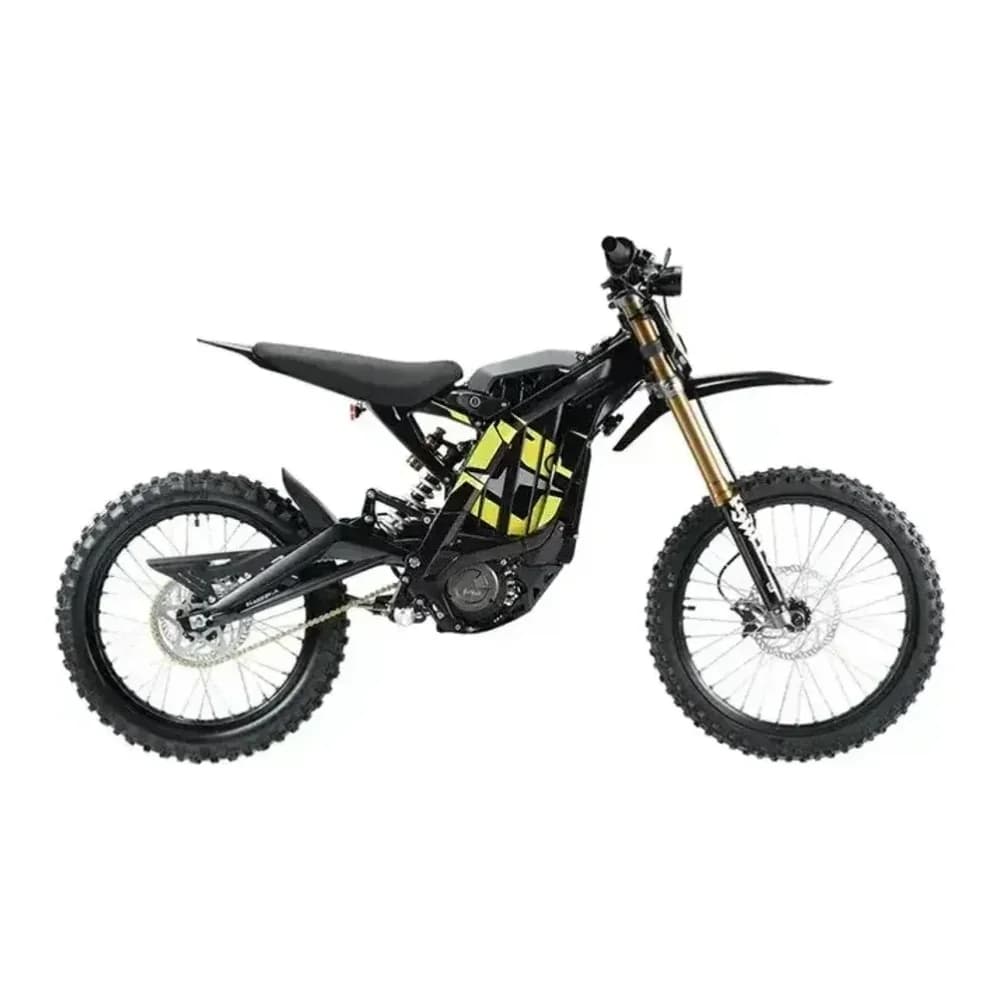
Surron Light Bee X (LBX)
The world-famous agile electric trail bike featuring 6kW peak power, 60V 40Ah battery, and forged aluminium alloy frame.
Common Questions
Modern electric motocross bikes deliver genuinely competitive peak power and, unlike petrol bikes, full torque instantly from a standstill rather than building through the rev range.
Generally yes — without a fuel tank, exhaust system, radiator and clutch assembly to carry, electric motocross bikes are typically lighter than a comparable petrol four-stroke, even accounting for the battery pack.
Ride time depends on the model's battery capacity, terrain and riding intensity — check each product's rated range, or carry a spare battery from our High-Capacity Batteries range for longer sessions.